Industries
Energy Equipment Manufacturing
High-load · Corrosion-resistant · Long service life. Precision parts for oil & gas, wind power, and solar energy equipment.
Capabilities
Core Components
We machine critical components for energy equipment. Critical dimensions can be CMM-verified via our group's shared metrology center on request, with full material traceability.
Valve Bodies
- — Pressure-rated valve housings
- — Gate valves and ball valves
- — Machined to API/ASTM standards
- — Seal surface finish to Ra 0.8
Precision Tolerance
±0.01mm
Requires precision finishing & inspection. Subject to drawing review.
Common Materials
Stainless Steel 316/316L, Carbon Steel WCB
Pump Housings
- — Centrifugal and positive displacement casings
- — Sealed interfaces, leak-tested
- — Impeller chambers to tight clearance
- — Flange faces ground flat
Precision Tolerance
±0.01mm
Requires precision finishing & inspection. Subject to drawing review.
Common Materials
Stainless Steel 304/316, Duplex 2205
Flange Connectors
- — ASME B16.5 flanges
- — Gasket surfaces ground flat
- — Bolt-hole precision boring
- — Face finish per spec
Precision Tolerance
±0.025mm
Requires precision finishing & inspection. Subject to drawing review.
Common Materials
Carbon Steel, Stainless Steel, Alloy 20
Turbine Fixtures
- — Mounting brackets for wind and gas turbines
- — Locating fixtures for assembly
- — Large-format machining capability
- — Dynamic balance preparation
Precision Tolerance
±0.05mm
Requires precision finishing & inspection. Subject to drawing review.
Common Materials
Steel 4340, Aluminum 7075, Stainless 17-4 PH
Product Showcase
Energy Parts Gallery
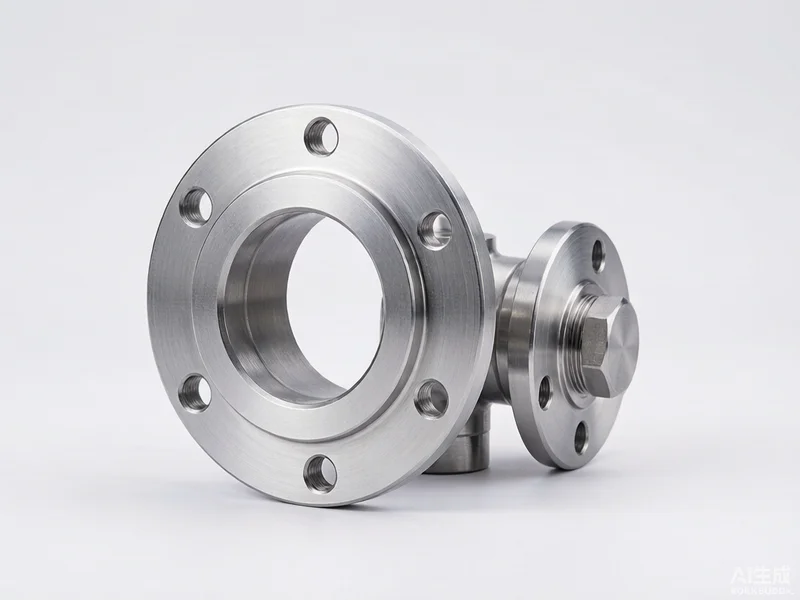
Aluminum enclosures and precision components for energy and power systems. Product renderings for process demonstration only. Visual representation of machining capabilities. Images are for reference only due to NDA.
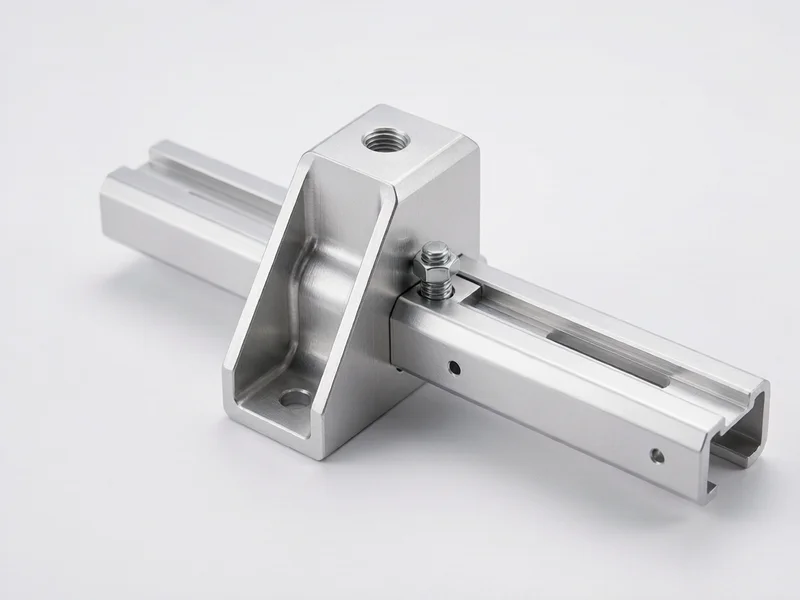
Mechanical Connection Parts
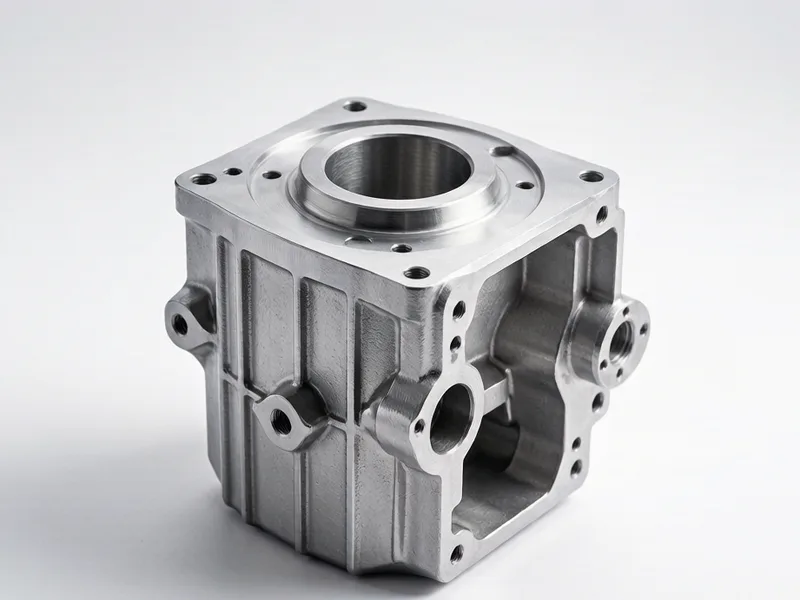
Complex Cavity Machining
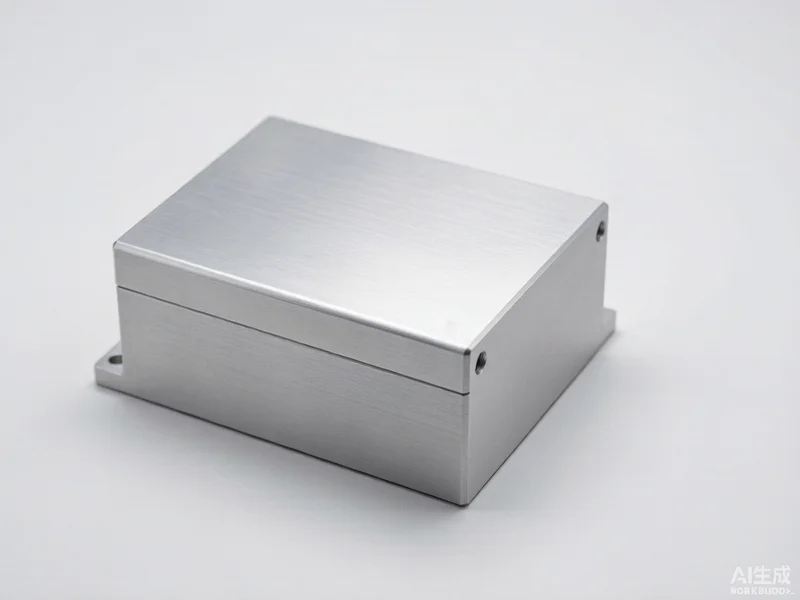
CNC Aluminum Extrusion Enclosure
Complex Parts
Quality Control
Energy Sector Quality Standards
Every order follows energy-industry quality control procedures with full documentation.
Pressure Testing
Hydrostatic and pneumatic pressure verification on every pressure-rated part.
Corrosion Testing
Salt spray, immersion, and accelerated aging tests per ASTM B117.
Impact Toughness
Charpy V-notch impact testing for low-temperature service parts.
Material Certification
Mill test reports, material traceability, full chemical analysis on request.
In-depth guides
Energy equipment machining guides
Notes on materials, tolerances and finishes for power, storage and grid hardware.
Busbar fabrication: where a copper bar gets scrapped between raw stock and inspection
A copper bar looks simple — cut, drill, bend. The yield killers are elsewhere: hard versus soft temper, bending cracks, and why hole pitch beats diameter.
Oct 4, 2026 →
Why Power Equipment Parts Are Hard to Make: Three Surfaces Decide Temperature Rise and Leak Rate
Power-equipment drawings look simple. What caps yield is three surfaces: busbar flatness, sealing faces, and the size left after plating.
Sep 22, 2026 →
General foundation
The chain every part goes through — drawing, DFM, material, machine, finishing, quote.
Shake the Sand Out of Your Shoe: Why We Retired Two Machines
Sold for RMB 20,000 each. The replacements cost more than ten times that. On paper the math says no. Here is what actually forced the decision.
Same Part, Same Drawing — So Why Can Two Quotes Differ So Much?
An 8,000-piece order. Inspecting box by box caught 140 parts that would not pass the Go gauge. A cheap quote never removes inspection cost — it moves it.
POM Costs Less Than Metal. So Why Is the Machined Part Pricier?
Acetal stock costs less than aluminum, yet the finished part often costs more. Material is one line in the quote; grip, heat and measurement are all the rest.
Inspection and Acceptance: What to Check When Parts Arrive
The report came back green, then assembly failed. Good inspection isn't fault-finding — it answers "will it work" with data before you build.
Why Your Parts Won't Assemble: Fit, Accumulation, and Datum Transfer
The drawing is right, machining is in tolerance, yet assembly jams — three effects stacking at once: fit, tolerance accumulation, and datum transfer.
Tighter Isn't Better: Which Dimensions Are Worth Paying For
Treating tolerance as a precision score is the most expensive mistake on a drawing. The standard says class m, and weigh what the shop can hold.
From Idea to Quotable Drawing: The Minimum You Actually Need
You have an idea, a photo, or an AI-generated model. How does it become something a shop can quote? Not what to write on a drawing — how one exists at all.
Before or After Finishing: The One Line Most Drawings Forget
Leave the basis blank and the shop, the finisher and inspection each assume something different. Three ways to write "before or after coating" so they can't.
AI Can Draw It. Can It Be Machined? DFM in the Age of AI
Generative design can cut 40% of a part's weight in seconds — but DFM still needs a human. What AI leaves out, and three checks before you send a drawing.
Why Lead Time Is Worth Paying For: A Million Quotes, Very Few Suppliers Who Can Actually Keep Up
Send one drawing to three shops and the quotes come back three times apart. What customers really buy isn't machine time — it's not having to worry.
From Drawing to Cost: How a CNC Part Actually Gets Made
A beginner's walk through the chain — drawing, DFM, material, machine, programming, finishing — and where the money in a CNC quote actually goes.
Machining and Surface Finishing: Where Most of the Calendar Actually Goes
The two stations that eat the most time and money: what happens on the machine, why finishing is outsourced, and the traps that catch first-time buyers.
Which CNC Machine Does Your Part Actually Need? (And a Short History of How We Got Here)
3-axis, 4-axis, 5-axis, turning, mill-turn, wire EDM or grinding — which should make your part? Match geometry to process, from punched tape to AI.
How to Choose a CNC Machining Supplier in China: A Practical Guide to Quality, Price and Lead Time
More than price: the 7 checks that separate a real machine shop from a middleman, and 4 questions that expose a weak delivery promise.
6061 vs 7075 Aluminum: How to Choose the Right Alloy for CNC Machining
6061 or 7075? Compare strength, machinability, corrosion resistance, cost and typical applications to pick the right aluminum for your part.
Energy Parts, Engineered to Last
Send us your drawings — engineer feedback within 2h.