
Отрасли
Детали робототехники и автоматизации
Шарнирные детали · Корпуса редукторов · Высокоточное управление движением. Заказные ЧПУ детали для роботизированных рук, AGV и автоматизированных производственных линий.
Возможности
Категории компонентов робототехники
Мы поставляем прецизионные детали для каждого этапа роботизированных систем.
Шарнирные модули
- — Водила гармонических редукторов
- — Посадочные места подшипников
- — Высокоточные вращающиеся детали
- — Каналы прокладки кабелей
Точность допуска
±0.005mm
Требуется прецизионная финишная обработка и контроль. Подлежит проверке чертежа.
Распространённые материалы
Алюминий 7075, сталь 4140, титан
Детали редукторов
- — Корпуса RV-редукторов
- — Циклоидальные шестерни
- — Входные/выходные валы
- — Монтажные плиты редукторов
Точность допуска
±0.01mm
Требуется прецизионная финишная обработка и контроль. Подлежит проверке чертежа.
Распространённые материалы
Сталь 20CrMnTi, 40Cr, алюминий 6061-T6
Исполнительные органы
- — Основания захватов
- — Крепления присосок
- — Приспособления конечной оснастки
- — Адаптеры смены инструмента
Точность допуска
±0.005mm
Требуется прецизионная финишная обработка и контроль. Подлежит проверке чертежа.
Распространённые материалы
Алюминий 6061, ПОМ, нержавеющая сталь 303
Кронштейны датчиков
- — Крепления энкодеров
- — Корпуса сбора сигналов
- — Кронштейны технического зрения
- — Приспособления конечных выключателей
Точность допуска
±0.01mm
Требуется прецизионная финишная обработка и контроль. Подлежит проверке чертежа.
Распространённые материалы
Алюминий, латунь, конструкционные пластики
Примеры продукции
Галерея деталей робототехники
Заказные ЧПУ обработанные кронштейны, крепления и конструкционные детали для систем робототехники и автоматизации. Визуализации продукции предназначены только для демонстрации процесса. Наглядное представление возможностей обработки. Изображения приведены только для справки в связи с NDA.
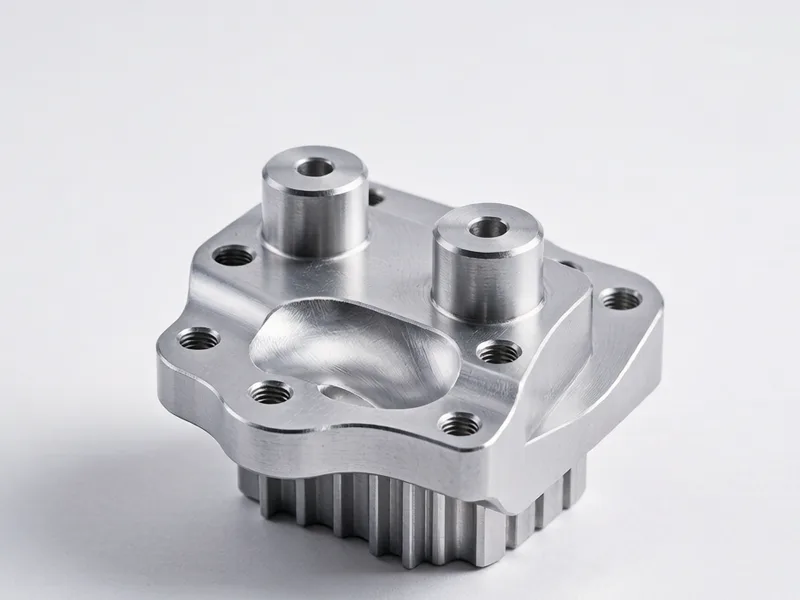
Заказные кронштейны
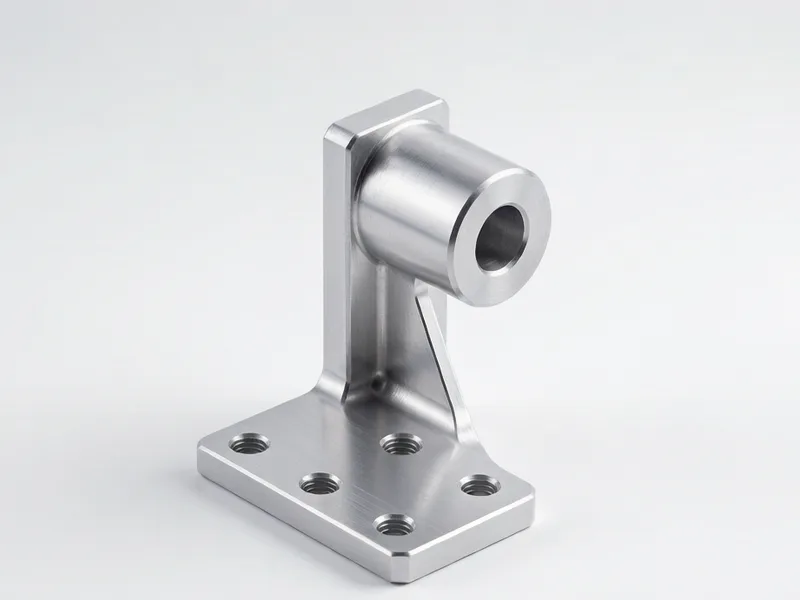
Монтажные кронштейны
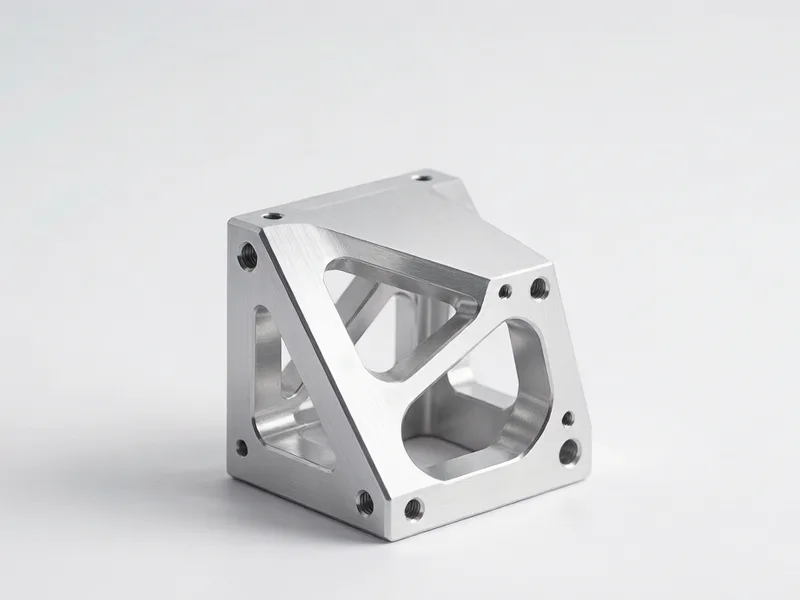
Конструкционные детали
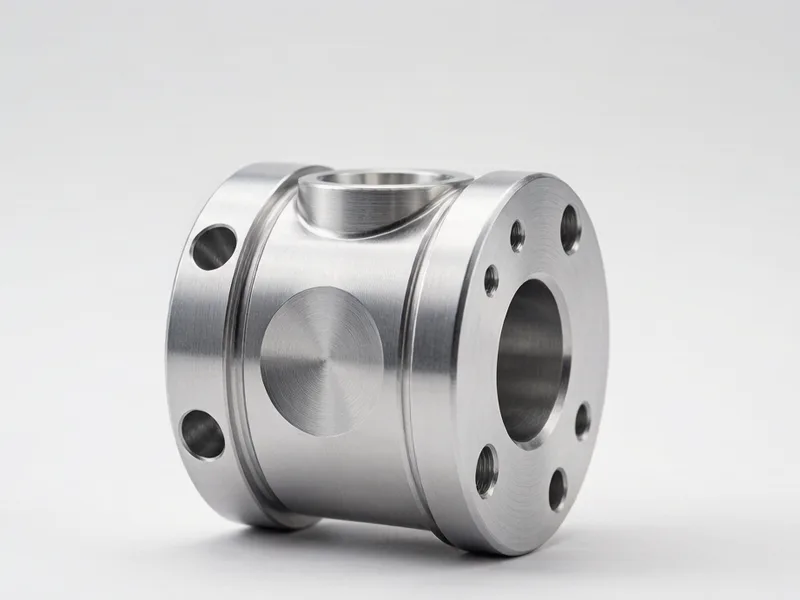
Прецизионные компоненты
Контроль качества
Стандарты качества робототехники
Компоненты управления движением требуют самых жёстких допусков и качества поверхности.
Тестирование повторяемости
Детали проверяются в нескольких партиях на повторяемость ±0,005 мм. Данные по качеству доступны для критических размеров.
Контроль шероховатости поверхности
Поверхности подшипников обработаны до Ra 0,4–0,8. Сопрягаемые поверхности подобраны для оптимальной посадки и движения.
Отчёт о термообработке
Термообработка шестерён и валов задокументирована с результатами испытаний на твёрдость. Полная прослеживаемость процесса по каждой партии.
Проверка стабильности размеров
Снятие внутренних напряжений перед финишной обработкой. Критические размеры могут быть проверены КИМ по запросу.
Подробные руководства
Руководства по обработке в робототехнике
Что нужно знать, прежде чем задавать материалы, допуски и покрытия для деталей управления движением.
Let Precision Grow Itself: Design Rules for Mecha Beginners
Last time: which joint to build first. This time: how to make it accurate — datum, one setup, spigot. You don't need tolerance symbols yet.
16 сент. 2026 г. →
Mecha Is Just Joints × N: The First Thing You Build Isn't a Mecha
A mecha looks like thousands of parts. Take it apart: joints, frame, brain, skin. Inside a joint, only the housing and the flange get machined.
15 сент. 2026 г. →
How to Choose Materials for Robot Joints: Seven Decisions, from Load Spectrum to Batch Consistency
Joints carry over half a robot's BOM cost. The wrong material adds 30% weight, halves fatigue life and doubles unit cost — often all three at once.
11 сент. 2026 г. →
Robot Joint and Flange Parts: What Actually Gets Machined (and What This Industry Really Cares About)
The parts inside a robotic arm — joint modules, reducer housings, end effectors, links — and the four requirements that shape each one.
10 сент. 2026 г. →
From 10 to 1,000: What Actually Changes When a Robot Part Goes to Production
Making one good part is easy; making part 200 match part 1 is the job. Where the process changes with quantity, and why a hard fixture often never pays off.
10 сент. 2026 г. →
One-Setup 5-Axis Machining for Robot Parts: When It Pays, When It Doesn't
When does a single 5-axis setup genuinely save money on robot structural parts — and when is it just an expensive machine doing a 3-axis job?
10 сент. 2026 г. →
Anodizing Robot Parts: The Dimension Trap Nobody Draws
Anodizing is where a part comes back a different size. Film thickness versus fits, why internal threads seize, and the note to add to the drawing.
10 сент. 2026 г. →
Robot Parts Materials: What to Use for Every Component (and How to Cut Cost)
What material each robot subsystem should use — frames, joints, end effectors, housings, wear parts — and the rules that cut part cost by 30-50%.
8 сент. 2026 г. →
Общая база
Цепочка, через которую проходит каждая деталь — чертёж, DFM, материал, станок, финишная обработка, расчёт.
Shake the Sand Out of Your Shoe: Why We Retired Two Machines
Sold for RMB 20,000 each. The replacements cost more than ten times that. On paper the math says no. Here is what actually forced the decision.
Same Part, Same Drawing — So Why Can Two Quotes Differ So Much?
An 8,000-piece order. Inspecting box by box caught 140 parts that would not pass the Go gauge. A cheap quote never removes inspection cost — it moves it.
POM Costs Less Than Metal. So Why Is the Machined Part Pricier?
Acetal stock costs less than aluminum, yet the finished part often costs more. Material is one line in the quote; grip, heat and measurement are all the rest.
Inspection and Acceptance: What to Check When Parts Arrive
The report came back green, then assembly failed. Good inspection isn't fault-finding — it answers "will it work" with data before you build.
Why Your Parts Won't Assemble: Fit, Accumulation, and Datum Transfer
The drawing is right, machining is in tolerance, yet assembly jams — three effects stacking at once: fit, tolerance accumulation, and datum transfer.
Tighter Isn't Better: Which Dimensions Are Worth Paying For
Treating tolerance as a precision score is the most expensive mistake on a drawing. The standard says class m, and weigh what the shop can hold.
From Idea to Quotable Drawing: The Minimum You Actually Need
You have an idea, a photo, or an AI-generated model. How does it become something a shop can quote? Not what to write on a drawing — how one exists at all.
Before or After Finishing: The One Line Most Drawings Forget
Leave the basis blank and the shop, the finisher and inspection each assume something different. Three ways to write "before or after coating" so they can't.
AI Can Draw It. Can It Be Machined? DFM in the Age of AI
Generative design can cut 40% of a part's weight in seconds — but DFM still needs a human. What AI leaves out, and three checks before you send a drawing.
Why Lead Time Is Worth Paying For: A Million Quotes, Very Few Suppliers Who Can Actually Keep Up
Send one drawing to three shops and the quotes come back three times apart. What customers really buy isn't machine time — it's not having to worry.
From Drawing to Cost: How a CNC Part Actually Gets Made
A beginner's walk through the chain — drawing, DFM, material, machine, programming, finishing — and where the money in a CNC quote actually goes.
Machining and Surface Finishing: Where Most of the Calendar Actually Goes
The two stations that eat the most time and money: what happens on the machine, why finishing is outsourced, and the traps that catch first-time buyers.
Which CNC Machine Does Your Part Actually Need? (And a Short History of How We Got Here)
3-axis, 4-axis, 5-axis, turning, mill-turn, wire EDM or grinding — which should make your part? Match geometry to process, from punched tape to AI.
How to Choose a CNC Machining Supplier in China: A Practical Guide to Quality, Price and Lead Time
More than price: the 7 checks that separate a real machine shop from a middleman, and 4 questions that expose a weak delivery promise.
6061 vs 7075 Aluminum: How to Choose the Right Alloy for CNC Machining
6061 or 7075? Compare strength, machinability, corrosion resistance, cost and typical applications to pick the right aluminum for your part.
Нужна обработка деталей робототехники?
Загрузите свои чертежи — обратная связь от инженера в течение 2 часов.